Brisbane Air

Brisbane Air Conditioning Specialists

  • Home
  • About Us
  • Blog
  • Contact Us
(07) 3269 8450
  • Air Conditioning
    • Residential
      • Existing Homes
      • New Home Builds
    • Commercial
      • Schools
      • Offices and Warehouses
    • Air Conditioning Systems
      • Ducted Air Conditioning
      • Split System Air Conditioning
    • Popular Air Conditioning Brands
      • Mitsubishi Electric Air Conditioners
      • Fujitsu Air Conditioners
      • Actron Air (Air Conditioners)
  • Electrical
  • Testimonials
  • Payment Plans
  • Promotions
  • FAQ

How to Protect your Air Conditioning Unit during a Storm

January 9, 2014 by Barney Brisbane Air

Queensland is on storm alert, with meteorologists predicting four cyclones in the 2013/14 period. In preparation, the Queensland government is promoting a ‘Get Ready Queensland’ campaign, giving tips on how to prepare for the storms and the clean-up required after.

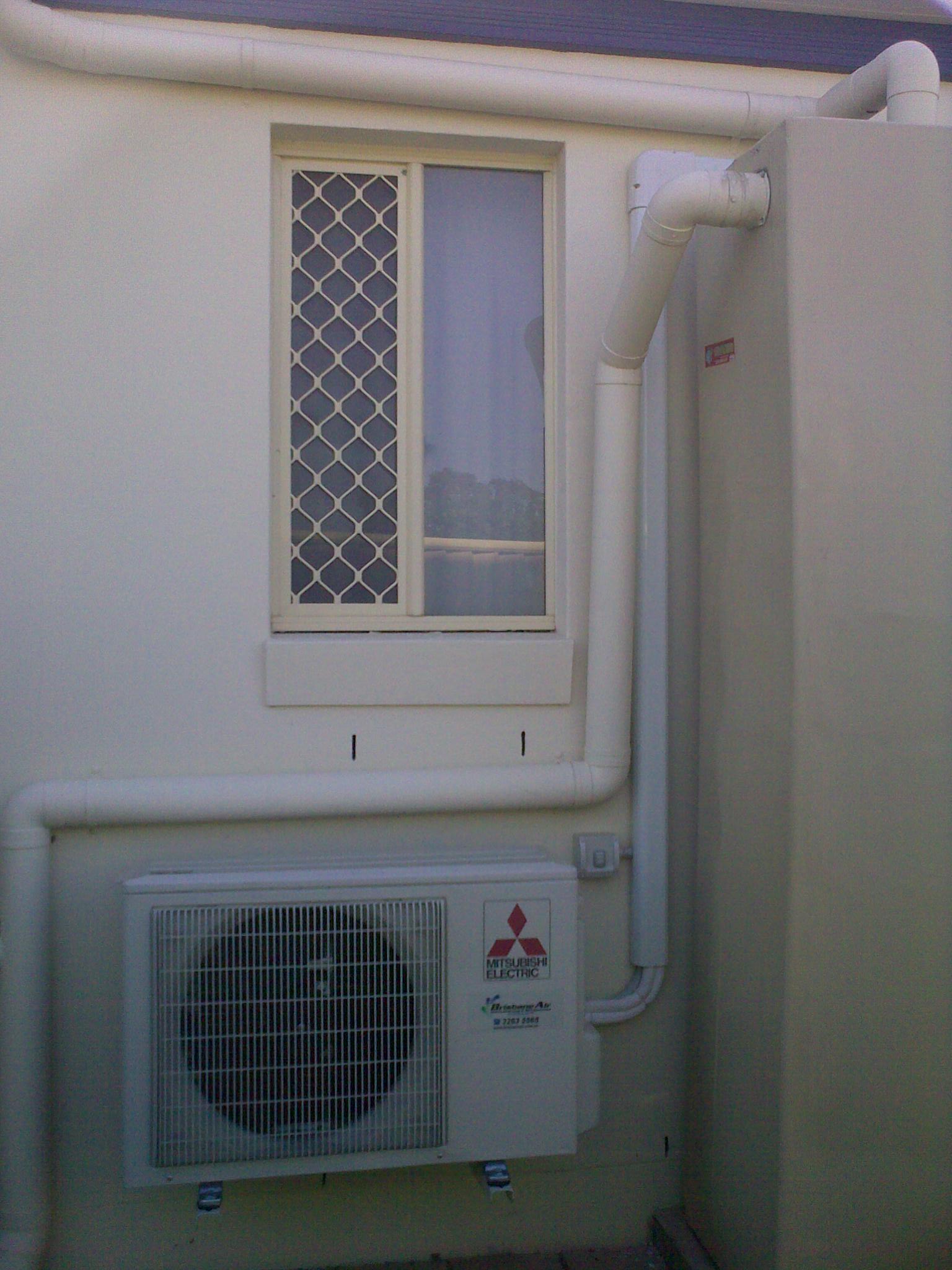
air-conditioning-unit

With over 30 years-experience in the Brisbane area, Brisbane Air know more than most about the damage that can be caused to electrical equipment during a storm. Often forgotten is the air conditioning unit: potentially thousands of dollars of damage can be caused in a single second. It is easy to see the importance of taking precautions against storm damage, and here we give some easy to follow guidance on how to do so.

Before a storm

  • Get in touch with a reliable and qualified air conditioning technician and/ or electrician, and have them come and check for readiness. Speak to him about electrical surge protectors for your air conditioning installation.
  • Turn off the air conditioning unit.
  • Once the air conditioning system is switched off, cover the outside unit with a tarpaulin or cover. Make sure it is tied down securely.  Always remove the cover, before turning the air conditioning system back on.
  • Disconnect the unit from the mains supply.  Turn off the isolation switch.

After a storm

  • Never switch your air conditioning on immediately after a storm.
  • Check outside units for damage.
  • Inspect surrounding areas and the units, ensuring that the vicinity is clear and there is no debris in the units.
  • If in any doubt, then call for professional maintenance help.

When you are completely sure that your air conditioning units are clear and ready to be switched back on, then first check that all internal switches are turned off. Then reconnect the supply at the mains before switching your units back on. This will ensure that there is no unforeseen power surge, and help prevent your air conditioning unit’s internal electrical parts from any late stage damage.

The bottom line

Your air conditioning installation is an expensive and essential element of your comfort at home, in the summer and the winter. By spending a few minutes ensuring you are prepared for a storm, you could save a lot of aggravation, heartache, and cost later.

If you have any questions, or wish to discuss protecting your air conditioner further, then feel free to contact the technicians at Brisbane Air.
Filed Under: Electrical Tips

How Often Should I Service My Ducted Air Conditioning Unit?

December 26, 2013 by Barney Brisbane Air

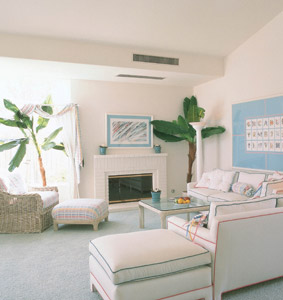
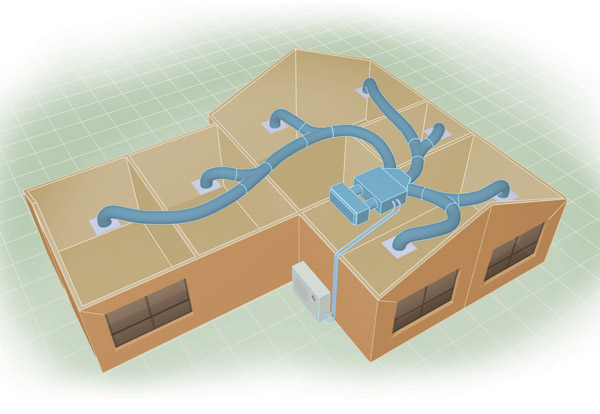
Your ducted air conditioning is one of the most important pieces of equipment in your home. It is there at the flick of a switch, helping you to maintain the correct temperature in both summer and winter. Sometimes we forget how much we rely on air conditioning in the home and office, only to realise exactly what it means should it break down. Neglecting your ducted air conditioning may not cause it to break down straight away, but it will increase the cost of running it and will reduce its overall longevity.

ducted-air-con-room

What could go wrong with your ducted air conditioner?

Here are four of the more common problems experienced with ducted air conditioners:

Air leakage

Poorly sealed pipes and ducts mean cold/ hot air leaks before reaching where it should. It is estimated that leaking pipes and ducts can cause air conditioning units to work up to 40% harder to maintain the temperature you want: and that directly impacts on the cost of your air conditioned environment.

Plastic Fittings

Plastic fittings can warp, crack, break, and melt. All of these cause air leakages and inconsistent performance of air conditioning, leading to extra running expense.

Poor air balance

Sometimes the air flow balance falls out of synch, causing room temperatures to do likewise. This isn’t just a drain on cash, but a drain on you as you constantly try to manually maintain control, turning air conditioning on and off room by room. This could be caused by too much back pressure, which will put strain on pipes and fittings, decreasing the life of your air conditioning system.

Filter clogging

Filters become clogged with debris and cease to work properly. Not only does this mean your unit has to work harder, but also that the air pumped into your home is not as fresh as it should be.

What you can do

Routine maintenance such as filter cleaning and changing can be done by most owners, and you should certainly brush out dirt and other obstructions from units at regular intervals.

The more adept of owners may be able to check for duct leakage and make seals good. But replacing parts and undertaking a full service should only ever be undertaken by a qualified air conditioning technician.

If your system is producing less cold air than it should, then there may be a problem with refrigerant or airflow. That would be time to call a technician to conduct emergency repairs.

The best way to ensure your ducted air conditioner is working at peak performance – and least cost – is to ensure it is serviced at regular intervals. Experience shows that the best time to conduct such services is when the requirement for your air conditioning changes: that will be at the end of the summer and the end of the winter.

Filed Under: Ducted Systems Air Conditioning

Ducted Air Conditioner Tips During the Summer

December 19, 2013 by Barney Brisbane Air

With over 30 years continuous experience in the Brisbane area, Brisbane Air’s technicians and staff have built their reputation on their helpfulness as well as their expertise. At this time of year, one of the recurring themes is our customers’ desire to know how to get the best from their ducted air conditioner during the long hot months. So we’ve put together this simple guide answering the questions we get asked the most about ducted air conditioners.

ducted air con

First, ducted air conditioners do not give instant heat or cold. It takes time to cool a home, especially if it has been closed up for any period of time. Walls, floors, and ceilings will retain heat that needs to be expelled before your home can become cool. The hotter the house, the longer this process will take and the harder the ducted air conditioner will have to work.

A ducted air conditioner produces condensation in the summer months, which drains away through a condensate line.

Tip 1

Fit your system with a Safety Condensate Tray, which will prevent ceiling damage.  

At Brisbane Air, this is a standard part of the installation process for all new ducted installation jobs.

Tip 2

If you notice a constant drip from the safety drain outlet, call a technician immediately: your main drain may be blocked and will need to be cleared.

Don’t expect your ducted air conditioner to perform miracles. In extreme conditions it will run harder and faster, trying to balance the indoor temperature with the temperature you’ve set.  Ducted air conditioners do require regular servicing.

Tip 3

The ideal cooling temperature is between 22 and 25 degrees Celsius. Setting your thermostat to this level will ensure maximum efficiency and comfort throughout the summer.

A ducted air conditioner system is controlled by motorised controllers. These take a few minutes to ‘warm up’.

Tip 3

Always leave the system for 3 to 5 minutes before restarting after it has been switched off. This will help avoid blowing fuses and damaging the compressor.

Sudden and large changes in thermostat settings may result in blown fuses or system damage, including expensive compressor damage.

Tip 4

Never move the thermostat control by more than 2 degrees Celsius while in Auto operation mode. Doing so may mean a sudden change from heating to cooling and vice versa, with the effect being somewhat similar to crunching a car into reverse from second gear.

If you buy a quality ducted air conditioning system and have it professionally installed by a well respected and experienced company like Brisbane Air, and then look after the system properly, including  regular service and maintenance, it will perform better and should last much longer.

Tip 5

Always ensure your filter is clean, especially just before and after the summer period. Also, keep your outside unit free from overgrowing trees and shrubs.

The filter helps to keep the air in your home clean and fresh, and is a major element in ducted air conditioner systems.

Of course, the most important thing is to always maintain your system. The technicians at Brisbane Air are here to help. If you have any problems with your ducted air conditioning system in Brisbane, then we are here to help. Before you call, though, here are a few things you should check:

  • Have any fuses blown?
  • Is the filter clean?
  • Has the main switch been turned off?
  • Is the thermostat set correctly?

There you have it: five simple do’s and don’ts that will help you get the best out of your ducted air conditioner system throughout a long hot summer.

Filed Under: Ducted Systems Air Conditioning

What’s the Difference between a Standard and Inverter Split System?

November 4, 2013 by Barney Brisbane Air

When considering installing air conditioners in your home, you’ll need to take into account several factors, ranging from any natural ventilation your home benefits from, to floor plan, to Western sun in the afternoon and even the amount of natural shade from vegetation outside. Once you’ve decided that you need air conditioning, you should make sure you buy a system that is not only energy efficient but is sized and installed properly. Our qualified technicians and installers will be happy to help you with this work, in accordance with the provisions as laid out by Arctik and the Australian Institute of Refrigeration, Air Conditioning and Heating (AIRAH).

One of the more important choices you’ll be faced with is that of whether to install a standard split system or an inverter split system, and to make the right choice you’ll need to know the difference between the two.

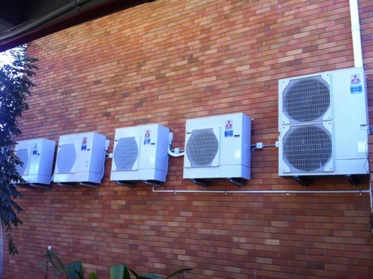
mit-air-conditioner

What is a Split System?

A split system uses two units working together: an inside unit and a ‘white box’ or compressor/ condensing unit outside. It works by expelling the hot air inside your house to the outside and replacing it with circulated cool air. Inside the system you’ll find a compressor, a fan, an evaporator coil, and refrigerant.

As well as controlling air circulation, a split system lets you control temperature, humidity, atmospheric moisture and cleanliness. An efficient system helps keep air clean by allowing you to keep your doors and windows closed – meaning you can wave goodbye to bugs and pollen indoors.

A standard split system has two speed settings on its compressor motor – that’s the part that drives the refrigerant through the whole system: full speed or off. When the room temperature reaches the desired level the motor switches off, and when it rises above that set temperature, the motor comes back on again.

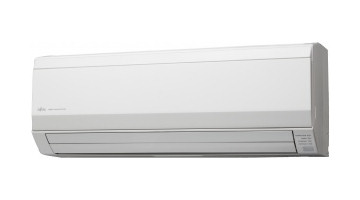
split aircon long

An inverter split system is more efficient

An inverter split system regulates room temperature by graduating the speed of the compressor motor, a little like using the accelerator on your car to remain at a constant speed. And just like using an accelerator wisely, an inverter system uses less power than a standard system constantly coming on and off. In fact, an inverter split system uses around 30% less energy than a standard fixed speed split system.

Other benefits of inverter split systems

It’s not just the lower energy use that distinguish inverter split systems from standard split systems.

  • They are quieter, with the motor cruising rather than clunking in and out of action noisily.
  • Working less hard, the internal parts suffer less wear and tear, meaning longer life and lower servicing costs.

When making the choice between these two types of split systems, it’s easy to see why so many homeowners decide on an inverter split system.

Filed Under: Air Conditioning

Summer Electrical Safety Tips

October 30, 2013 by Barney Brisbane Air

Here at Brisbane Air we do everything possible to ensure our customers are safe around electricity. A few weeks ago we posted a list of ten electrical safety tips for the home, but now summer is on its way we thought we should post a few more that are really pertinent to the warmer weather. Of course, we all know that any appliances we buy or use should be approved and regularly tested for faults, but here are some other things you should do to help keep you and your family safe:

A Dozen Do’s of Summertime Electrical Safety

  • Never cover a hot appliance with a towel or other household item, or clothes.
  • Always unplug unused electric appliances (this will save money too).
  • Never use extension leads in bathrooms or other wet areas.
  • You might be in and out of the pool a lot: make sure you dry your hands thoroughly before using any electric appliance.
  • If any electric appliance falls into water, throw it away. And don’t reach into the pool to retrieve an electric appliance, even if you think it has been turned off. Don’t be afraid to call an expert.
  • Prevent little fingers playing with electric outlets by blocking them off with solid cover plates.
  • Don’t swim when there’s an electric storm brewing: a bolt of lightning striking you is a million to one shot, but you don’t want to be that one in a million.
  • Keep all of your electrical tools locked away in a dry place.
  • Don’t overload your plugs with multiple appliances. It might be hot, but running a dozen fans off one socket is asking for trouble.
  • If a fire is caused by electricity, whatever you do don’t douse it with water. Use the correct fire extinguisher and learn to use it properly: Pull, Aim, Squeeze and Sweep the flames (remember PASS an extinguisher over an electric fire).

<safety> <hazard>

Here at Brisbane Air we want everyone in the communities we serve to be safe and have a great summer. Electricity is probably the most important household energy supply we have, but it can also be the most dangerous. By using electricity wisely, and paying heed to the simple rules of safety around electricity, not only will you be teaching your kids how to use electricity in the right way, but you’ll also ensure you have the kind of fun filled summer you deserve.

Filed Under: Electrical Tips

How To Make My Air Conditioner Last Longer

October 23, 2013 by Barney Brisbane Air

For most people in Brisbane, air conditioning is an important part of everyday life. So it’s important to know that when you need it, it’s going to work and work well. We’ve all heard horror stories of air conditioning units not functioning properly when they are most needed, and a breakdown always seems to happen to everyone at the same time with the result of technician being in short supply.

<remote> <aircon>

Fortunately there are a few things you can do that will not only ensure your air conditioning unit is in tip-top condition when you most need it, but also mean it will last longer. You will have a more efficient, and therefore cheaper, system throughout its longer life.

1)                  Regular Maintenance

The number one tip for keeping your air conditioner in perfect condition longer is to give it a regular check up with a qualified air conditioning technician. Brisbane Air has a number of maintenance programs that will suit your system and your pocket. The best time for this maintenance work is prior to Spring, and before the weather starts to heat up and the system is made ready to go through maximum strain and workload.

2)                  Keep the condenser clean

Over the winter it’s possible that debris will have blown into the condensing unit. A simple five minute check once every week will help you spot any offending material, which can then be easily removed. Be careful when cleaning, though, and don’t use water: the unit is powered by electricity, and the last thing you want is an electric shock.

3)                  Shade your outside unit

If it’s at all possible, you should give your outside unit some shade. Natural trees and shrubs are great for this, but be careful that they are an absolute minimum of one foot away from the unit. Not only is this going to help prolong the life of your unit, but it will also cut down on bills.

4)                  Take care with your pipes

All duct pipe should be properly sealed, creating an airtight passage. Using a good quality sealing tape will prevent peeling.

5)                  Clean and check your filter regularly

Filters can get clogged quite quickly, especially in dusty environments and therefore regular cleaning is essential to allow the unit to work properly.  When filters get worn out, or damaged, they should be replaced.  These simple acts are going to make your air conditioner  more energy efficient, and with the added benefit of ensuring pollen and dust is not circulated in the home. A Brisbane Air technician will be able to advise how long to leave between filter cleans.  

<aircon> <lasting>

The bottom line

By taking these five simple preventative measures, you’ll ensure your unit lasts longer, gives a better performance when you need it most, and save hundreds, if not thousands, of dollars throughout its lifetime.

Our fully qualified technician will be happy to discuss these and other money saving and unit life-prolonging tips with you as part of the Brisbane Air service.

Filed Under: Air Conditioning Tips

Energy Star Ratings Explained

October 18, 2013 by Barney Brisbane Air

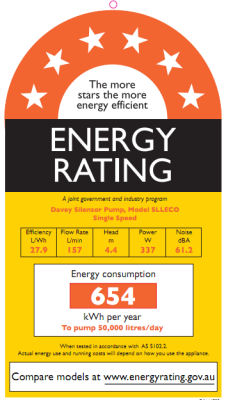
The Energy Rating of an appliance must be displayed when it is sold, and so it’s easy to see how efficient the appliance is.  The Australian government uses an Energy Star Rating system. One star is the least efficient, all the way up to the most efficient rating of 10 stars. Appliances that have to be Star rated include:

  • Refrigerators
  • Freezers
  • Clothes washers
  • Dishwashers
  • Air conditioners
  • Televisions

The Energy Rating Label offers consumers two main pieces of information:

  • The Energy Star rating is a comparative assessment of efficiency
  • The comparative energy consumption gives an estimated amount of energy the appliance will use over a year, based on typical home use.


<start> <house>

Energy Stars and Air Conditioning

You should never buy an air conditioning unit that doesn’t have an Energy Star label. The Minimum Energy Performance Standards (MEPS) program is required by Australian law, and stipulates that air conditioning units must reach a certain standard to be sold and provided to consumers.

The most energy efficient air conditioners are recognised by the award of a TESAW, a government sponsored award that replaced the Galaxy Award system and is presented every year.

Measuring Air Conditioning Performance

An energy efficient air conditioner’s efficiency depends on a number of qualities, including age, standard of maintenance, and internal components, as well as the type of system it is. There are two main measurements of energy efficiency used to show how efficient an air conditioning unit is:

1)      Energy Efficiency Ratio (EER)

The EER is how the cooling performance of an appliance is measured, and is typically shown in kilowatts. The cooling capacity is how much heat can be removed from a room, and the heating capacity how much can be added.

2)      Coefficient of Performance (COP)

Heating provided by an air conditioning unit is extremely efficient compared to other heating methods, because the amount of power used is lower for comparative heating capacity. The COP is a measurement of a unit’s energy efficiency when heating a room.

Don’t forget the gas

Air conditioners use refrigerant gases to cool air. It’s this gas that was the cause of so much concern when the global warming arguments were at their strongest. The most common used refrigerant gas was R22, and is still used in Australia today. However a new gas, R410a, has a higher thermal volumetric cooling capacity than R22, and produces better thermal exchange properties. If that sounds a little technical, then simply remember this: R410a gives better energy efficiency and is greener than most other refrigerant gases.

<energy> <ratings>

A Final word about Energy Stars

The Energy Star rating of an energy efficient air conditioner combines all of the above factors to give a ‘one sight’ visual comparative measure. The more Energy Stars an appliance has, the more efficient it will be: and that means cheaper energy bills and a cleaner and greener planet for all.

Filed Under: Electrical Tips

Top 5 Tips To Lower Your Electric Bill

September 23, 2013 by Barney Brisbane Air

It seems that the cost of heating and cooling our home increases every year, and it’s hard to keep up with the extra expense. Using these 5 tips to lower your electricity bill, compiled by Brisbane Air’s electrical experts, you’ll find your bills falling by hundreds of dollars.

1. Start small and turn appliances off

Leaving televisions, DVD players, Wi-fis, and computers on stand-by when they’re not in use adds as much as 10% to an electric bill: turning such devices off at the wall when not used, is an immediate money-saver.

Fridges and freezers use more power when they are nearly empty, as do dishwashers.

Keep heaters away from windows, and don’t heat or cool unoccupied rooms.

Use only as much water in the kettle as you require, and hang your laundry out on a dry day rather than using a tumble dryer.

2. Pay attention to lighting

Just like turning off appliances and only heating occupied rooms, never leave lights burning without reason. Using LED lights will also save on energy costs, so switch straight away if you haven’t already.

3. Use air conditioning wisely

Just as with heating and lighting, if you’re not using a room then having the air conditioning blasting will eat up your cash. Air conditioning units also work far more efficiently when they are clean, so make sure you have them serviced regularly with filter cleaning as part of a regular household maintenance program.

4. Compare energy costs and consider solar

It’s easy to compare the energy costs of different electricity supply companies, though when you do, you should ensure you compare against actual usage: measuring a cheap-rate tariff against a day-rate tariff will only mislead. Even though installing a solar energy system is a major up-front expense, the ongoing savings could be worth thousands.

5. Maintain and service your electrics regularly

Well maintained electrics work more efficiently, like a clean engine drives further on a gallon of fuel. A once-a-year service of your home electrics and appliances by a licensed electrician will spot problems early and make sure you’re not paying over the odds for your electrical costs.

electricity-saving-ideas

Reducing your electric bill is not difficult, but requires new habits and an energy conscious mind set. Discussing how you could cut hundreds of dollars from your bill with a licensed electrician is the first step to doing so.

Filed Under: Electrical Tips

Top 10 Tips For Electrical Safety In The Home

September 16, 2013 by Barney Brisbane Air

At Brisbane Air, our air conditioning and electrical services experts have drawn up this list of 10 tips for electrical safety in the home.

electrical-safety-at-home

1. Look after your electrical appliances

Always follow instructions, and hold a plug to connect and disconnect from the socket. Ensure your appliances are in good order, and pay special attention to cords: worn electric cords should be replaced by a licensed electrician.

2. Safeguard from children

Make your electric outlets childproof.

3. Teach children about the dangers of electricity

Children love copying, it’s how they learn. When using electricity, set a good example and talk to your children about how to use the electric appliances safely.

4. Protect against power surges

A power surge is unpredictable, and can damage computers, televisions, air conditioners, and other expensive devices. Always unplug appliances when not in use.

5. Use safety devices

Surge protectors will help protect appliances whilst in use, and safety switches – a legal requirement in new homes – cut the power within 0.03 seconds of a problem occurring. A licenced electrician will be happy to advice on the most appropriate safety devices to use.

6. Beware of overhead and underground power lines

Keep clear of power lines when working on electrics, particularly when repairing a roof, pruning trees, or working on a swimming pool. If work is needed underground, always make certain it’s safe to do so and check with the Dial Before You Dig service on 1100.

7. Water and electricity don’t mix

Remove electric appliances from bathrooms, near sinks, or by the pool, always drying hands before touching electrical appliances. When using appliances near water only ever use electric cords designed for use in wet areas.

8. Feel a tingle, call an expert  

If you feel tingling when using an electric appliance, turn off the electric at the mains and call a licenced electrician. You should keep abreast of emergency procedures, too.

9. Report faults immediately

Any electrical accident which requires medical treatment should be reviewed and the source of the problem resolved, to precent recurrence. Also, as a tenant, if you notice a potential electrical hazard, you should report this to your landlord or property manager and request immediate rectification.

10. Call the experts

Never attempt electrical work yourself: always use the services of a licenced electrician. They know what they’re doing, they’ll have all the right equipment, and their work will be guaranteed.

A little expense will save a lot of heartache.

Filed Under: Electrical Tips

  • « Previous Page
  • 1
  • …
  • 3
  • 4
  • 5
  • 6
  • 7
  • 8
  • Next Page »

QUICK FREE QUOTE

One of our experts will respond to answer your questions and provide a quote

"*" indicates required fields

We respect your privacy.

Award for Excellence 2024

A FEW OF OUR HAPPY CUSTOMERS ON GOOGLE:

Google reviews

4.9Five star 330 reviews
View on Google Maps

Customer service ranks second to none

"So nice to find a company whose customer service ranks second to none, from first contact to friendly quote and right through to end of job I was really impressed. At my request, the outside unit of our Mitsubishi inverter air-conditioned was installed up high (Above caravan roof height) and this was done with the brackets and plumbing very neatly secured. The price was extremely competitive, but the thing that struck me most, was the guys who did the install enjoyed what they did and did it with professionalism and enthusiasm. I would highly recommend Brisbane Air to anyone looking to install an air-conditioner!"

Five starRob Duncan

Very polite, very respectful and quite possibly the most considerate workers I have encountered

"Thank you for making my air con replacement and service experience so positive. The five workmen here were on time with a courtesy call when on the way, very polite, very respectful and quite possibly the most considerate workers I have encountered in nearly 30 years of home ownership. They all declined tea and coffee and were a pleasure to have here. I look forward to recommending Brisbane Air as widely as I can."

Five starEm Elle

The installers were magnificent

"Very professional. Had them put in two aircons a few years ago and another one just last week. Friendly people, super clean and tidy and happy to answer any questions thrown at them.They initially come and quote, and would let us know what they think or try to accommodate what we request before installing. In both instances, they have never tried to push their products or hard sell which is very appreciated.The installers were magnificent. Came in, installed and cleaned up before leaving, to the point you wouldn't even know they were here."

Five starKevin Chan
PAYMENT OPTIONS
  • Eftpos
  • Cheque
  • Visa
  • MasterCard
PAYMENT PLANS
  • Skye
  • ezi-pay-logo

WHY CHOOSE BRISBANE AIR?

  • Great prices on supply and install

  • Quality workmanship - we deliver what we say

  • Comprehensive 5 year installation warranty

LICENSES

QBCC Licence 1177083, Refrigeration, Conditioning & Mechanical Services

Australian Refrigeration Council - BrisbaneAir

Electrical Contractor Licence No. 75448

PREFERRED SUPPLIERS

Mitsubishi Diamond Dealer

LET'S BE FRIENDS

PLEASE LEAVE US A REVIEW

If you were happy with the installation work and service you experienced with our team, we would greatly appreciate it if you would provide a brief positive comment that explains your experience with Brisbane Air for our Google Maps Listing.

CUSTOMER REVIEWS ON THE INTERNET
  • google
  • truelocal
  • Home
  • Promotions
  • Electrical
  • Terms & Conditions
  • AC - Residential
  • AC - Commercial
  • About Us
  • Payment Plans
  • FAQS
  • Testimonials
  • Sitemap
  • Privacy Policy
  • Contact Us
(07) 3269 8450

HEAD OFFICE

By appointment only

5 Aldinga St, Brendale QLD 4500

View on Google Maps

Copyright © 2025

Brisbane Air.

All Rights Reserved